





Authorized Trading Partners (ATP)
Authorized Trading Partner
OneScan Pharmacy Pro brings every DSCSA requirement into one system for pharmacies and for every other kind of dispenser.







Serialization is not one-size-fits-all. With varying mandates across the U.S., EU, Asia, and the Middle East, companies must navigate a complex web of requirements. Are you prepared for global compliance?

If you're passionate about making a difference and thrive in a collaborative environment, LSPedia is the place for you.

You have a DSCSA system and your technicians scan every tote. But a passing scan doesn't tell you whether the supplier's file was complete or whether the transaction statement arrived with it. Here is where receiving still breaks and how health systems fix it.
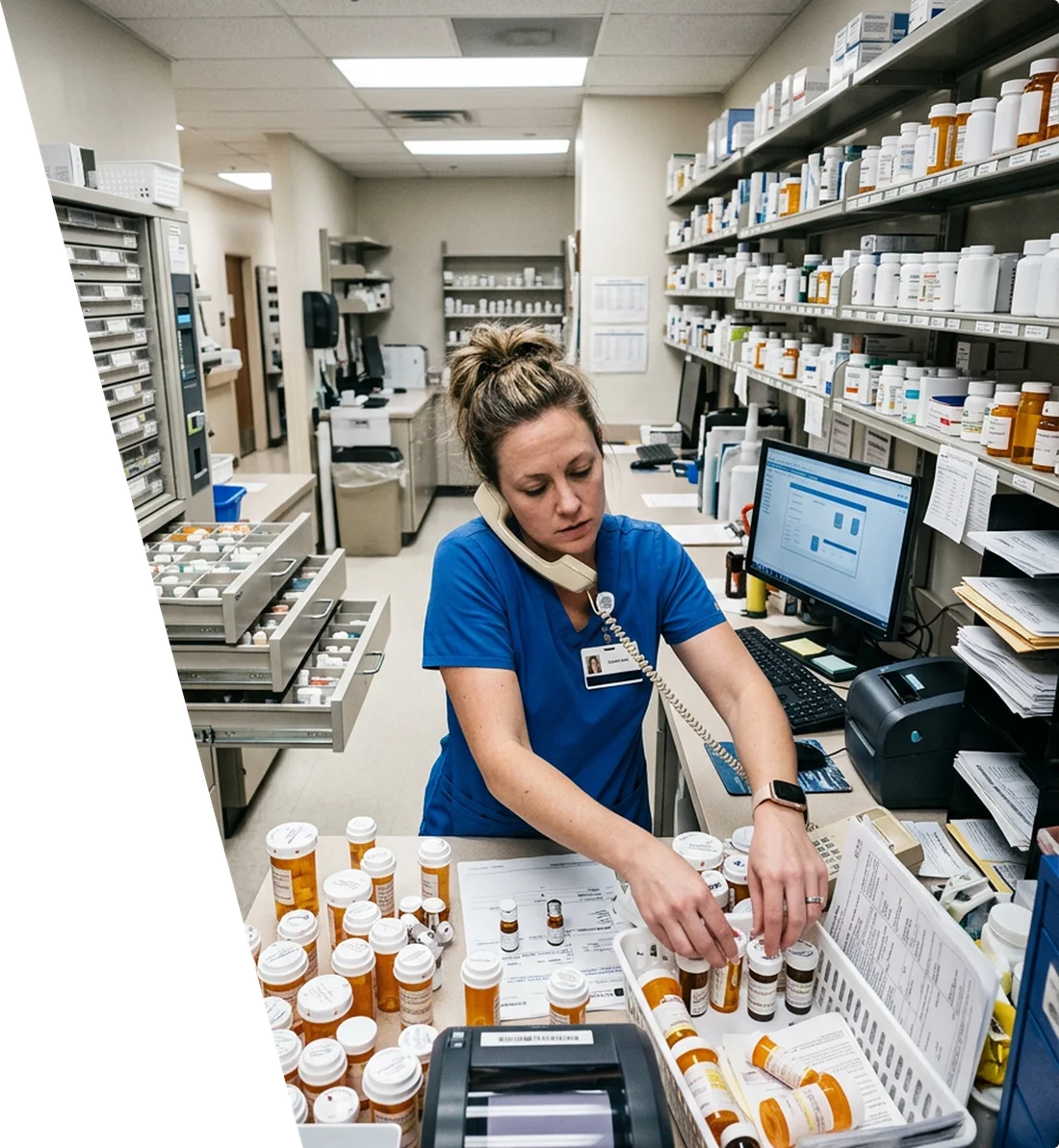
Produce the complete transaction history for one serialized drug, within one business day?
Show how you identify, quarantine, investigate and disposition suspect product?
Answer both questions to see your result.
If you answered "no" or "it depends who's on shift" to either question, there is a gap in your process.
Two yeses. Keep reading: the next sections cover where receiving still breaks even when both answers hold up.
One pallet, three scan lanes and a quarantine bin nobody planned for.
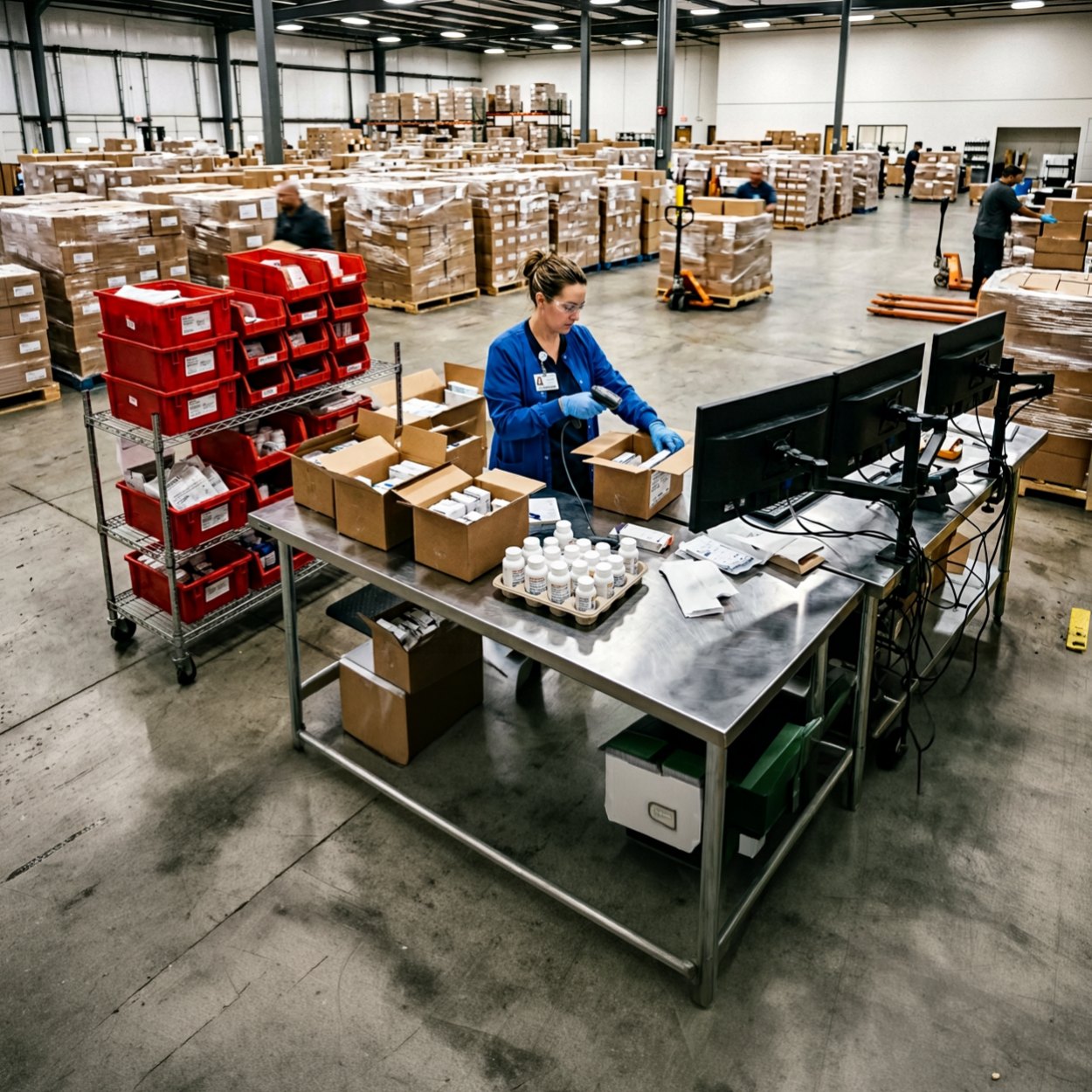
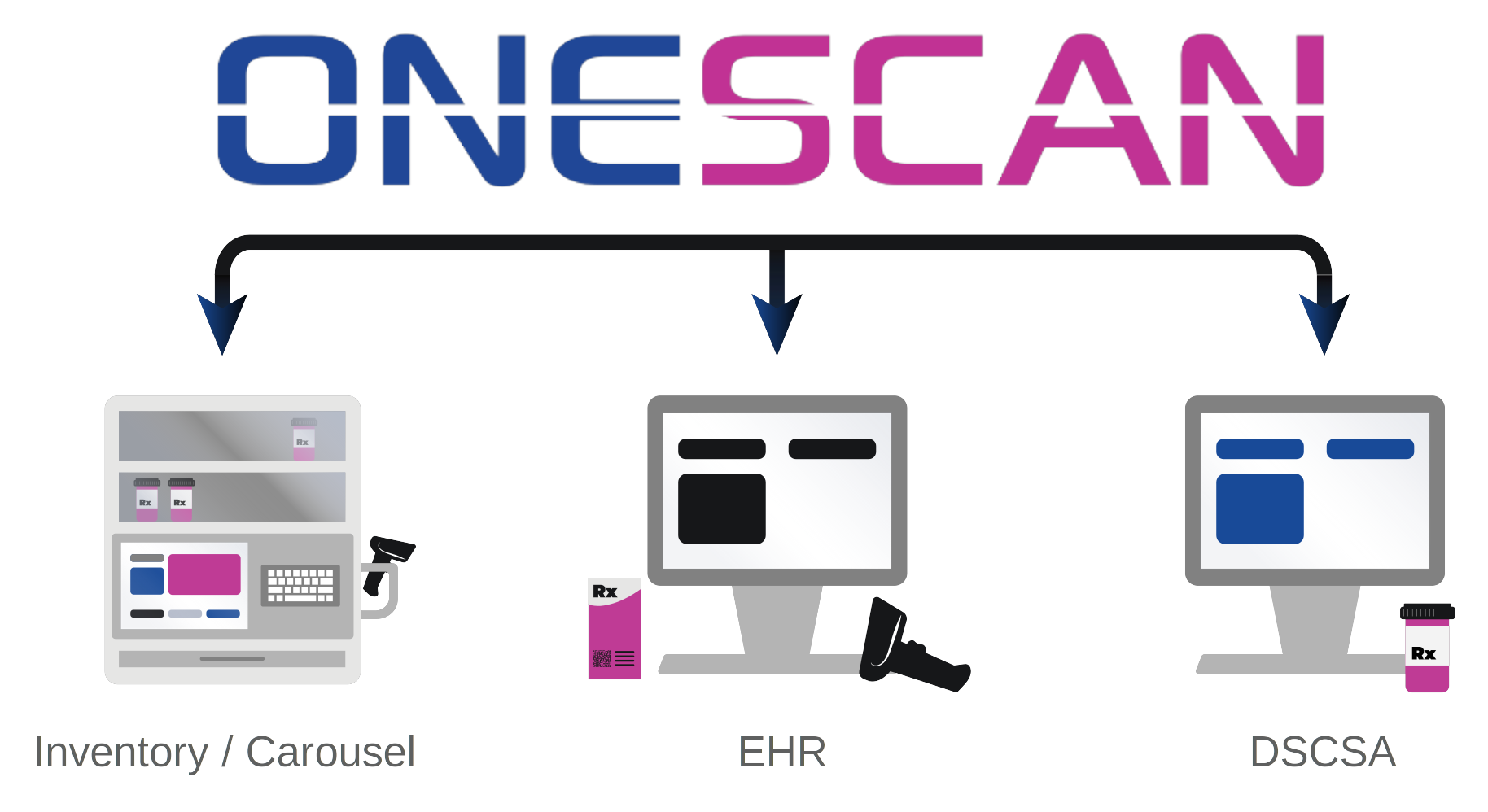
Your DSCSA system, your inventory or carousel system and your EHR each scan the same product. None of those three systems talk to each other, and the time it costs you scales with your volume.
When the DSCSA scan fails, product sits in quarantine pending data. Patients wait for medication that is already in the building.
DSCSA first, then pharmacy inventory, then the EHR. The problem isn't how you're staffed. It's duplicate scans across systems that aren't integrated.
At one health system that measured it, 17% of inbound files failed (LSPedia customer audit, April 2026).
Duplicate files, missing transaction statements, data sent to the wrong entity. These errors come from your suppliers, not your team, and you won't see them until an order lands in quarantine.
Missing or incomplete transaction records are a documented FDA inspection finding, and findings can lead to a Form 483 and a warning letter.
Ask what your current system was originally built to do. The answer usually explains the rest.

A passing verification confirms the product identifier. It doesn't tell you whether the transaction statement arrived.
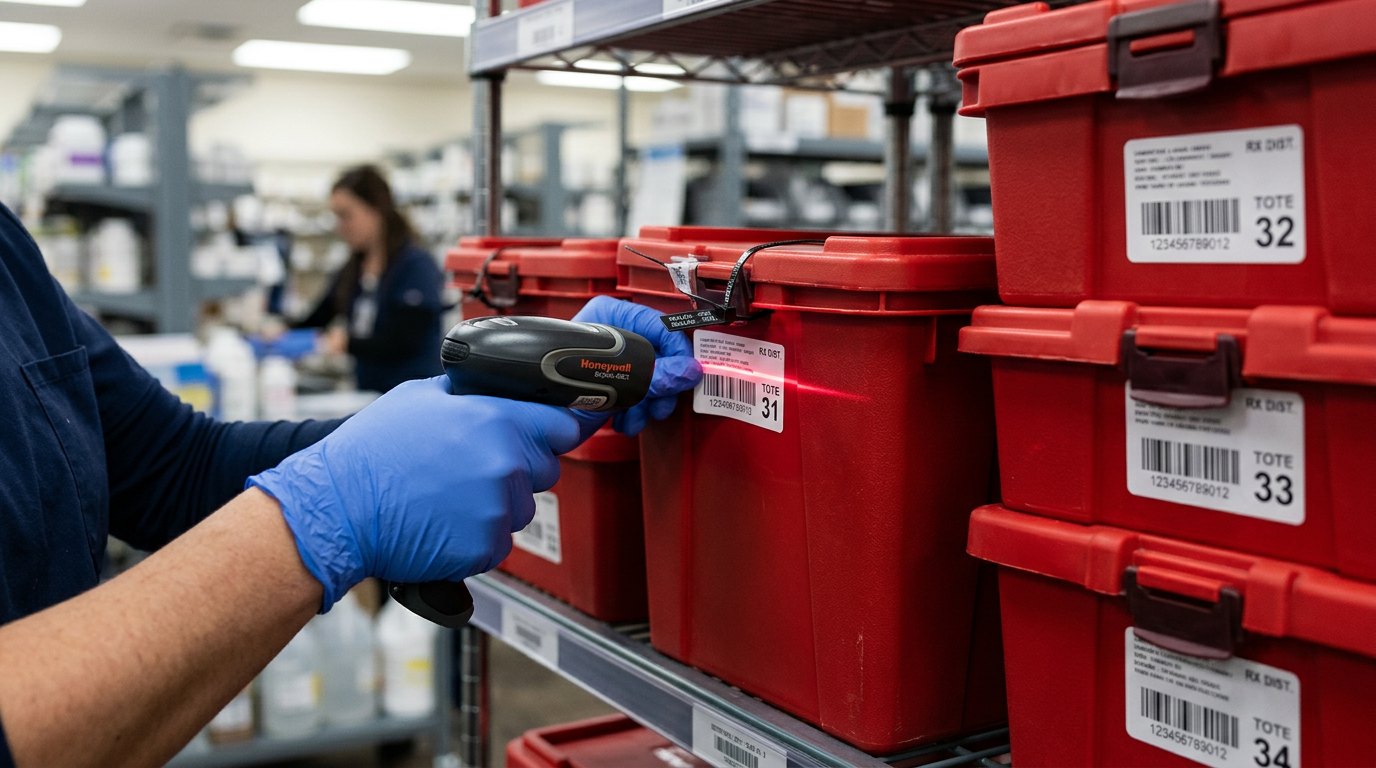
Most large systems scan at the tote, not the bottle. Tote-level scanning keeps receiving moving, but a mis-pick inside the tote goes unverified. Totes also vary widely: one holds three products, the next holds 150.
Receiving keeps moving.
A mis-pick inside the tote goes unverified.
a week managing drug shortages at the top end, before any DSCSA data work
the equivalent staff time in large hospitals
of hospitals report shortages of experienced pharmacy technicians
of hospitals report shortages of technicians with sterile compounding experience
of hospitals report entry-level technician shortages
Source: ASHP National Survey of Pharmacy Practice in Hospital Settings, Operations and Technology 2023 and Clinical Services and Workforce 2024, AJHP. Among responding hospitals.
recalled drug products listed in FDA's enforcement reports in 2025
FDA's enforcement reports listed 765 recalled drug products in 2025. For each one that reaches your shelves, ASHP's recall guidance calls for running inventory reports, checking every pharmacy, unit, dispensing cabinet and emergency cart, quarantining the product, documenting it and rechecking later. At one health system we work with, a single recall took several days, start to finish.
How many recalls did your team work last month? How many hours did each one take? And who checked the lot numbers by hand?
Source: FDA Enforcement Reports, 2025 (openFDA, pulled Sep 30, 2026) · ASHP, Guidance on Medication Recalls, May 2023.
If your cabinet or carousel system integrates with OneScan, a single scan could feed your inventory, your EHR and your DSCSA record. If your system does not integrate with OneScan, you go from three scans to two.
Investigator sends them back to the supplier with the fix named.
Hold, check, decide, record.
The answer an inspector means by "show me."
This optional OneScan module will help you find recalled lots.
FDA and state boards of pharmacy can both ask to see your DSCSA records. Here's what they ask and what a good answer looks like.
A good answer is the same at every site, from whoever is asked, and it lives in an SOP someone can produce.
A good answer is the transaction record for that serial, pulled on request, not a description of how you'd find it.
Hold it, check it against the supplier data, decide against your SOP and record why. Over-quarantining is also a wrong answer because it keeps good product from patients.
A place staff can walk to, at every site that receives.
A step-by-step transition, including your historical records. More than 140 organizations have transitioned.
A dedicated account manager, phone and email support, audit support, open office hours and a knowledge base, at no extra cost.
ISO 27001, ISO 9001:2015 and GS1 US Elite Partner. SOC 2 Type 2 pending.
Before you sign with anyone, ask what the contractual response time is on a compliance-blocking issue and what support costs when you need it.







Customers
Serials processed
Trading-partner connections
Wholesalers and distributors are customers
No. FDA's exemption for larger dispensers ended November 27, 2025. Size is counted across every site a health system owns, so even a small outpatient pharmacy inside a large system is no longer exempt.
No. The requirements sit at receipt and in your records: getting complete transaction data from your suppliers, keeping it for six years and investigating suspect product.
Tote-level scanning is technically compliant, but mis-picks inside the tote go unverified.
You can hold the order or authenticate another way under your SOP and release it. Catching the file before receiving avoids the hold entirely.
FDA and your state board of pharmacy.
Because faster receiving and fewer exceptions give your team time back for patient care. If your current system still means three scans and a quarantine bin, that time is going to data instead.


