

Authorized Trading Partners (ATP)
Authorized Trading Partner
OneScan Pharmacy Pro brings every DSCSA requirement into one system for pharmacies and for every other kind of dispenser.







Serialization is not one-size-fits-all. With varying mandates across the U.S., EU, Asia, and the Middle East, companies must navigate a complex web of requirements. Are you prepared for global compliance?

If you're passionate about making a difference and thrive in a collaborative environment, LSPedia is the place for you.

FDA enforcement reports listed 765 recalled drug products in 2025. Every drug recall, from Class I to Class III, sends a health system pharmacy through the same ASHP steps: run inventory reports, check every location, quarantine, document and recheck. Done by hand, one recall can take several days. LSPedia’s OneScan Recall Management alerts teams to recalled stock and helps find the affected lots.
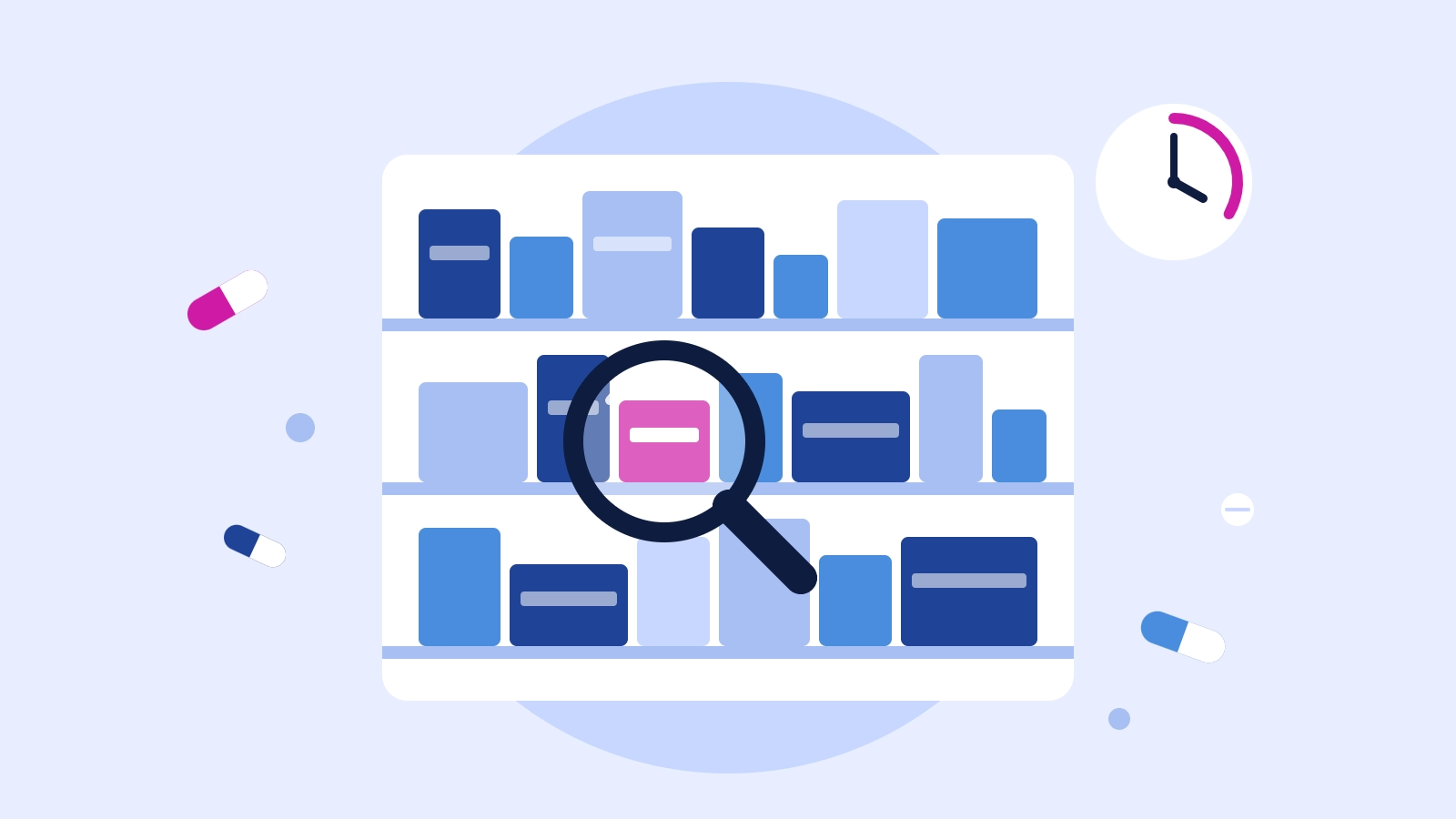
The FDA's enforcement reports listed 765 recalled drug products in 2025. Most health system pharmacy leaders couldn't tell you how many of those touched their shelves. They could tell you how the last one felt.
A drug recall rarely shows up as a crisis. It shows up as a notice, a lot number and a list of places to check. Then a pharmacist or technician steps away from their regular work to go looking. Multiply that across a year and recalls become one of the largest pieces of unplanned labor in the pharmacy. It also rarely shows up in a budget.
FDA sorts drug recalls into three classes by risk: Class I, Class II, and Class III.
The class tells you how fast to move. It doesn't change how much searching the pharmacy has to do. A Class III recall still means finding every unit of the affected lot across every location. That's why recall volume matters as much as recall severity. Hundreds of lower-risk recalls a year can add up to more labor than a handful of urgent ones.
The American Society of Health-System Pharmacists (ASHP) is the professional organization for hospital and health-system pharmacists. Its Guidance on Medication Recalls (May 2023) lays out what a pharmacy should do for each recall that reaches its inventory. In practice, the ASHP drug recall process comes down to five steps.
None of these steps is hard on its own. The problem is that each one is done for every recall, in every location, often by hand.
At one health system LSPedia works with, a single recall took several days from start to finish. That's not unusual. The time disappears in a few predictable places.
Finding the lot. Inventory reports often show the product but not the lot. So the search turns physical, with staff reading lot numbers off packages one at a time.
Covering the footprint. A single hospital might have a central pharmacy, satellite pharmacies, dozens of dispensing cabinets and crash carts on every floor. A health system multiplies that by every facility. Each location is a stop on the checklist.
Proving it was done. Documentation is where a careful response becomes a slow one. Notes live in emails, spreadsheets and paper logs. Pulling them together for a report or an audit takes its own round of work.
Coming back. The recheck is easy to skip when the team is already behind. It is also the step that catches the product that was restocked after the first sweep.
The cost isn't only hours. Every hour spent on a recall is an hour a pharmacist isn't spending on clinical review, patient counseling or the rest of the operation.
If you're not sure what recalls cost your pharmacy, start with three questions.
If the answers are "we're not sure," "a lot" and "whoever was available," you're not alone. Most health systems don't track recall labor as its own line. That makes it easy to underestimate.
The slowest part of a recall is answering a simple question: did we get this lot, and where is it now? LSPedia's Recall Management is built to answer.
Recall Management alerts your team when recalled product is in your stock and helps you find the affected lots. The search starts with what you need to pull instead of a walk through every unit.
Recall Management is part of LSPedia's Serialized Lifecycle Management (SLM), which brings recalls, expiries, returns and withdrawals together in one coordinated workflow. The goal is simple: less time searching shelves and chasing paperwork and more time for the work only pharmacists can do.
More than 150 organizations have already moved to OneScan, historical records included. Every health system customer gets a dedicated account manager, phone and email support, audit support and open office hours at no extra cost. You can see the full picture of how OneScan supports health systems, from receiving to recalls, on our health systems page.
Recalls won't stop coming. The hours they take don't have to stay the same.
A drug recall is when a company removes a drug from the market, either on its own, at FDA’s request or by FDA order.
The FDA sorts drug recalls by risk. Class I can cause serious harm or death. Class II may cause temporary or reversible harm. Class III is unlikely to cause harm. Every class still requires pharmacies to find and pull the affected lots.
The FDA’s enforcement reports listed 765 recalled drug products in 2025, based on openFDA data.
The American Society of Health-System Pharmacists (ASHP) Guidance on Medication Recalls (May 2023) calls for running inventory reports, checking every pharmacy, unit, dispensing cabinet and emergency cart, quarantining the product, documenting the response and rechecking later.
A single drug recall can take a health system pharmacy several days. At one health system LSPedia works with, it took several days from start to finish. Time depends on system size, how many locations stock the product and whether lots can be looked up electronically.
LSPedia’s Recall Management alerts health system pharmacy teams when recalled product is in their stock and helps them find the affected lots. It is part of LSPedia’s Serialized Lifecycle Management (SLM), which brings recalls, expiries, returns and withdrawals together in one workflow.