





.webp)


授权贸易伙伴 (ATP)
授权贸易伙伴
序列化不是一刀切的。由于美国、欧盟、亚洲和中东的规定各不相同,公司必须应对复杂的要求网络。您为全球合规做好准备了吗?
.avif)
如果你热衷于有所作为并在协作环境中茁壮成长,LspEdia 就是你的不二之选。

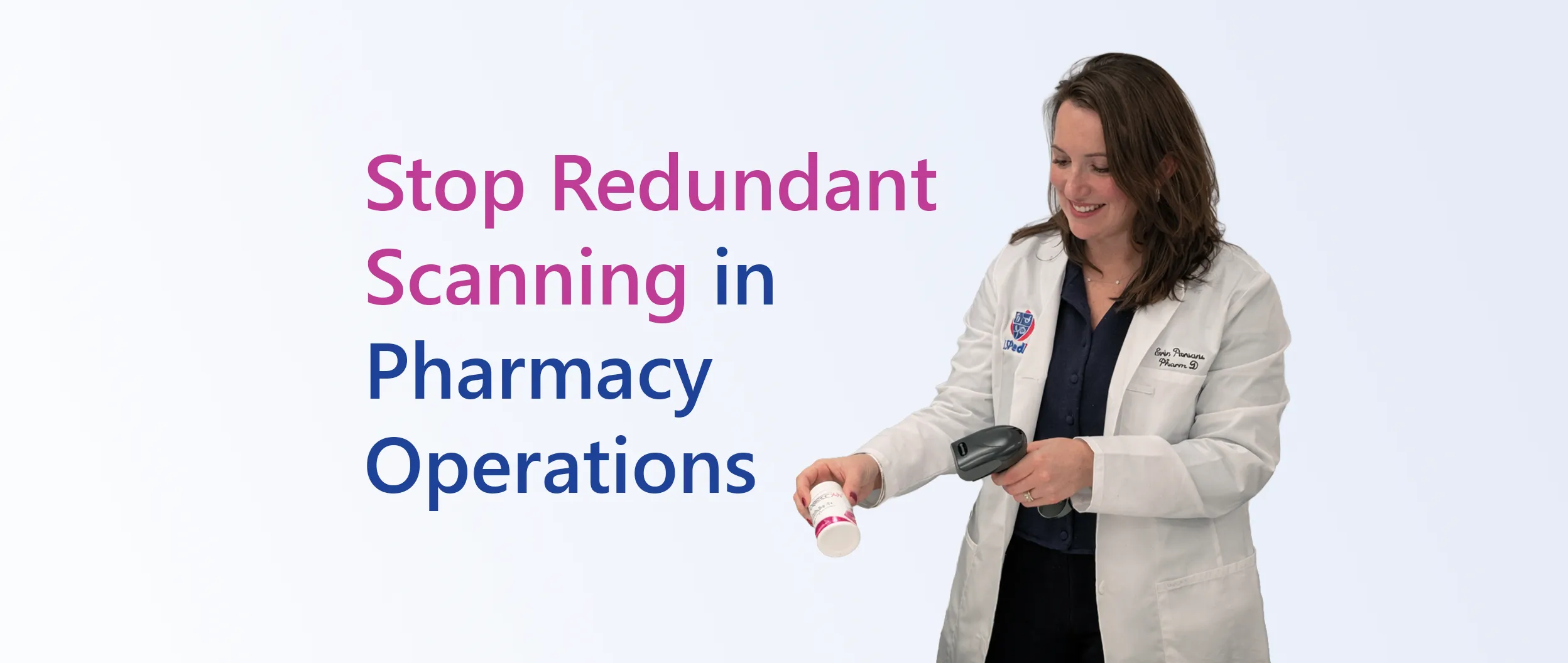
Pharmacy operations today depend on an increasingly complex network of technology platforms. Pharmacy Management Systems (PMS), Electronic Health Records (EHR), inventory management tools, and automated dispensing systems all play critical roles in ensuring safe, efficient medication use. While each system is designed to optimize a specific function, many pharmacies operate with these technologies functioning in parallel rather than as a unified workflow.
When systems do not integrate effectively, operational friction emerges. Pharmacy staff repeat tasks, manually reconcile data, and navigate disconnected workflows, affecting prescription throughput, data accuracy, staff satisfaction, and ultimately patient care.
Addressing these challenges requires a closer look at how pharmacy systems are implemented, where integration gaps occur, and how connected workflows can reduce friction while supporting efficiency and compliance. In many cases, achieving this coordination requires a software solution designed to integrate existing systems and synchronize critical data across platforms.
Modern pharmacies rely on multiple technology platforms to manage prescriptions, patient information, regulatory compliance, and inventory control. Common systems include:
Each platform is typically selected to solve a specific operational need. When systems are implemented independently without a long-term integration strategy, data becomes siloed. Information entered into one system may not flow automatically to others, forcing staff to re-enter, re-verify, or re-scan the same data.
Over time, incremental system additions and evolving regulatory requirements compound these inefficiencies. In many environments, this friction is accepted as “part of the process,” despite representing measurable operational waste.
Workflow inefficiencies related to limited system integration tend to appear at predictable stages of pharmacy operations.
Repeated scanning and manual data entry affect pharmacy operations in measurable ways:
Technicians and pharmacists spend valuable time on duplicative administrative tasks. Re-scanning products or re-entering data reduces capacity for higher-value clinical work.
Each manual touchpoint increases the likelihood of errors. Incorrect entries or mismatched records can lead to downstream operational and compliance issues.
Additional workflow steps slow throughput and create bottlenecks during peak operating hours.
Repetitive, low-value work contributes to frustration and burnout.
For pharmacy leaders, these effects translate into higher labor costs per prescription, increased exception rates, and limited scalability.
Integrating pharmacy systems is complex. PMS, EHR, and inventory platforms often rely on different data structures, communication standards, and update cycles. Many legacy systems were not designed for interoperability, making retrofitted integration challenging.
Regulatory and traceability requirements add further complexity, particularly when systems require manual reconciliation. Vendor ecosystems also influence integration success, as pharmacies often rely on multiple providers with varying integration capabilities.
As compliance frameworks such as DSCSA mature, disconnected systems introduce additional risk. Audit-ready data across platforms cannot rely on manual processes alone.
When integration challenges are addressed, the operational impact is significant.
In an integrated environment, a single scan can update inventory records, compliance data, and dispensing workflows simultaneously. Staff complete tasks once while systems remain synchronized.
Critical data elements—such as product identifiers, serial numbers, lot numbers, and expiration dates—flow automatically between systems, reducing manual intervention and improving accuracy.
Standardized workflows behave consistently, even during periods of high prescription volume, supporting more efficient staffing and planning.
When required data is captured once and shared across systems, compliance becomes embedded within routine workflows rather than layered on top.
Integration enables pharmacies to scale prescription volume without proportionally increasing administrative overhead.
The benefits of system integration are reflected in operational improvements, including:
Even modest reductions in duplicate scanning or reconciliation time can translate into meaningful annual labor savings.
Beyond workflow improvement, integration supports broader strategic objectives. Reducing redundant processes allows pharmacies to reallocate technician hours toward clinical services and strengthen audit readiness without expanding headcount.
In an environment of margin pressure and workforce constraints, investments that eliminate friction deliver measurable operational return.
Building an Effective Pharmacy Integration Strategy
When evaluating pharmacy technology solutions, integration capabilities should be a core consideration. Effective strategies emphasize:
Integration does not require replacing existing systems. Many pharmacies can improve efficiency by connecting current platforms more effectively rather than pursuing costly rip-and-replace initiatives.
A successful strategy aligns immediate operational needs with long-term technology planning.
Integration-focused solutions, such as LSPedia’s Pharmacy Pro, are designed to reduce redundant scanning and manual processes while maintaining consistent data across systems. Rather than replacing existing platforms, these approaches connect them and maximize the value of current technology investments.
Pharmacy Pro enables pharmacies to capture compliance and product data once and synchronize it automatically across PMS, inventory, and traceability systems. By eliminating duplicate scan events and reducing manual reconciliation, pharmacies can streamline dispensing workflows while strengthening audit readiness.
Evaluating how many times your team scans or re-enters the same data within a single prescription lifecycle can reveal immediate opportunities for improvement.
Disconnected pharmacy systems introduce hidden costs in time, accuracy, and staff capacity. Workflows that require repeated scanning or manual data entry limit efficiency and strain pharmacy teams.
Organizations that prioritize seamless integration between PMS, EHR, and inventory systems position themselves for more resilient, scalable, and compliant operations. Reducing workflow friction is not simply a technical improvement—it is a strategic step toward enabling pharmacy teams to focus on patient care and regulatory confidence.
For pharmacies evaluating how to reduce operational strain without adding new complexity, integration readiness may be the most impactful place to start. If you would like to explore how integration-ready solutions such as LSPedia’s Pharmacy Pro could support your existing systems, our team would be glad to answer questions or discuss your current workflow challenges.


%201.webp)



%201.webp)