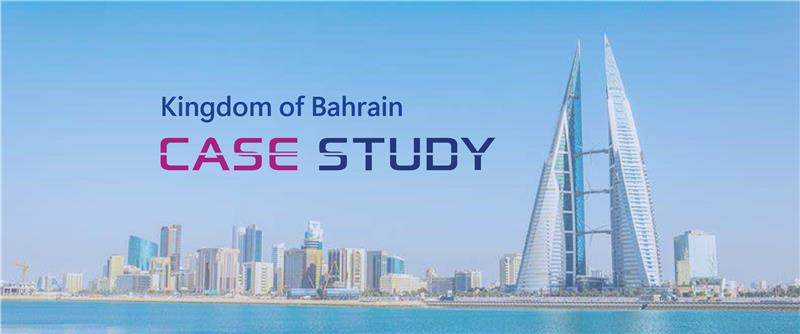
From Crisis to Control: The Story Behind Bahrain's Pharmaceutical Supply Chain Revolution
Every time a patient receives a prescription, they place their trust in a vast, complex, and largely invisible network: the pharmaceutical supply chain. This chain has one critical job—to deliver safe, authentic medicine from the manufacturer to the person who needs it. But what happens when that chain has weak links?
The Kingdom of Bahrain was facing this very crisis. For years, its National Health Regulatory Authority (NHRA) struggled with a pharmaceutical tracking system that was falling short. The system lacked the comprehensive, end-to-end visibility needed to truly secure the nation's drug supply. This created dangerous blind spots, resulting in untraceable shipments, messy and unreliable data, and an alarming vulnerability to counterfeit medications entering the market.
The consequences were severe. Without a reliable way to verify product authenticity, patient safety was at risk, and public trust was eroding. In-country suppliers were left waiting for shipments that never arrived, and the entire system was inefficient and slow to adapt. By October of 2024, the situation reached a breaking point as the original system stopped functioning entirely, forcing the NHRA into immediate and decisive action.
Recognizing the need for a world-class solution, Bahrain partnered with LSPedia to spearhead a complete overhaul. The mission was not just to fix the old system but to build a new one—a digital infrastructure that would bring unparalleled security, visibility, and safety to the nation's entire pharmaceutical ecosystem.
Leveraging LSPedia's advanced OneScan platform and a strategic partnership with blockchain specialist MVC, Bahrain implemented a cutting-edge traceability solution. This new system created a centralized data hub, acting as a single source of truth for every medication moving through the country. It introduced automated data validation to catch errors instantly and utilized universal GS1 barcoding standards to ensure global interoperability.
The results of this ambitious initiative were both rapid and transformative. In a period of just three months, Bahrain's pharmaceutical supply chain underwent a stunning revolution:
- Massive Scale Achieved: Over 70 million medicines were brought under the umbrella of the new track and trace system.
- Rapid Industry Adoption: More than 150 pharmaceutical manufacturers were successfully onboarded, a process that had crippled the previous system.
- Enhanced Security and Integrity: The system identified and removed 126 unauthorized companies from master data, immediately closing loopholes for fraudulent products.
- Drastic Data Quality Improvement: Thousands of critical file errors were automatically detected and resolved, replacing chaos with clarity and reliable information.
These statistics only scratch the surface of a landmark achievement in national healthcare. The full story is a powerful testament to how strategic vision and advanced technology can overcome systemic challenges to protect public health.
This case study is more than just a success story; it's a blueprint for the future of pharmaceutical security. To truly understand the challenges, strategies, and technologies that drove this incredible turnaround, you need to see the data for yourself.
If you'd like to read more, download the complete case study for in-depth insights. You'll get a detailed look at the implementation timeline, the core features of the technology, and the measurable improvements that have established Bahrain as a global leader in supply chain integrity.


.webp)



%201.webp)


%201.webp)


.avif)






.png)